
Key Factors to Consider When Planning Roof Replacement Services
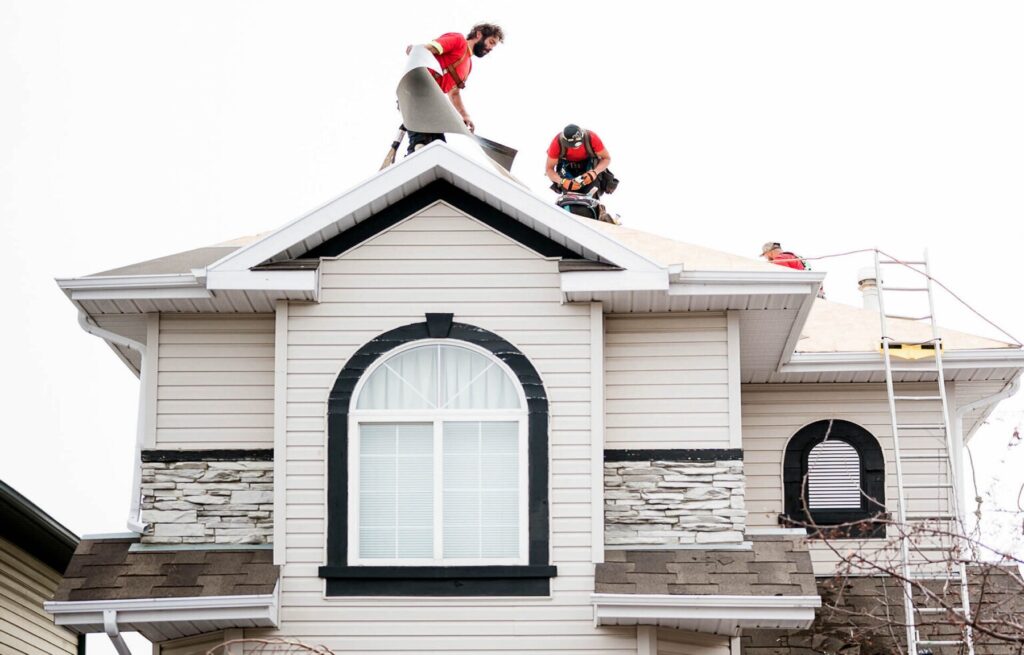
A roof plays an essential role in protecting a home from Canada’s changing weather conditions, including heavy snowfall, freezing temperatures, rain, wind, and seasonal temperature fluctuations. Over time, exposure to these elements can deteriorate roofing materials and reduce their ability to provide reliable protection. When repairs are no longer practical, investing in professional roof replacement services can restore a property’s safety, efficiency, and value. Planning a new roof involves more than selecting materials and scheduling installation. A carefully planned replacement project can improve a home’s performance while reducing future maintenance concerns.
Table of Contents
- Assess the Condition of Your Existing Roof Before Replacement
- Consider Canada’s Climate When Selecting Roofing Materials
- Choose Roofing Materials That Match Your Home’s Needs
- Work With an Experienced Roofing Professional
- Understand Costs and Create a Realistic Budget
- Improve Energy Efficiency With Proper Roofing Installation
- Plan the Timing of Your Roof Replacement Project
- Ask About Warranties and Long-Term Maintenance
- Conclusion
Assess the Condition of Your Existing Roof Before Replacement
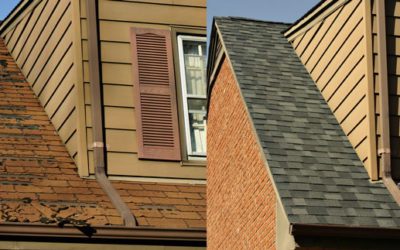
Before beginning any project, it is important to understand whether a complete roof replacement is necessary. Some roofing problems can be resolved with repairs, while others indicate the roof has reached the end of its useful life.
Common signs that may indicate the need for roof replacement include:
- Missing, cracked, or curling shingles
- Frequent leaks or water stains inside the home
- Visible sagging areas
- Excessive moss or algae growth
- Damaged flashing around chimneys, vents, and skylights
- Increasing energy costs caused by poor insulation or ventilation
A professional inspection can help identify hidden issues that may not be visible from the ground. This assessment allows homeowners to make informed decisions instead of waiting until major damage occurs.
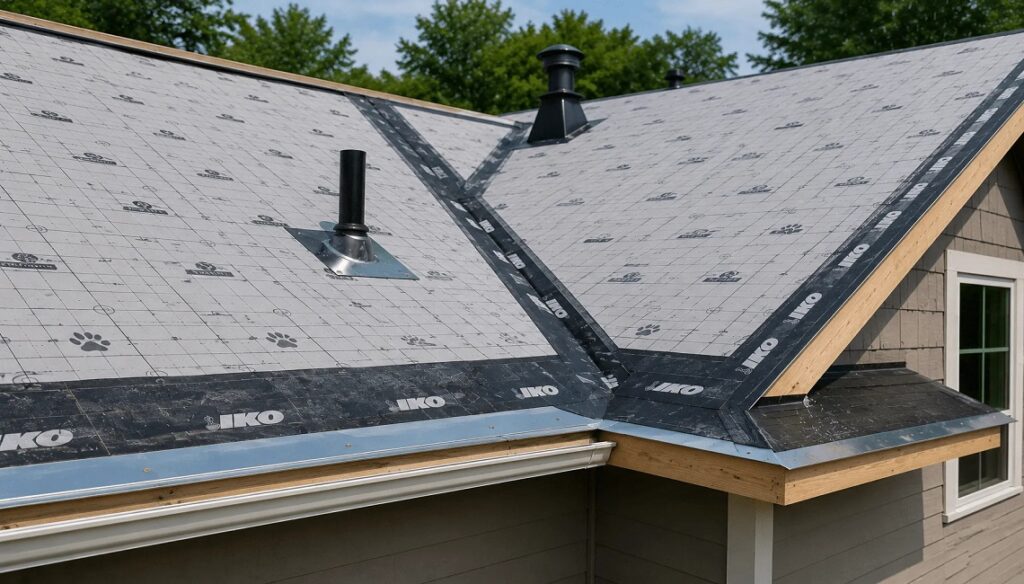
Consider Canada’s Climate When Selecting Roofing Materials
Canadian homes experience a wide range of weather conditions by region. A roofing system that performs well in coastal British Columbia may have different requirements compared with homes exposed to severe winters in Alberta.
When planning roof replacement services, homeowners should consider:
Snow and Ice Resistance
In colder provinces, roofs must handle significant snow accumulation and repeated freeze-thaw cycles. Strong materials, proper installation techniques, and effective drainage systems help reduce stress caused by winter conditions.
Wind and Storm Protection
Areas that experience strong winds or seasonal storms require roofing materials that can provide secure protection. Proper fastening methods and quality installation are key to long-term roof performance.
Moisture Management
Rain, melting snow, and ice buildup can create moisture-related issues if roofing systems are not properly installed. Adequate ventilation and waterproofing measures help protect the structure beneath the roof.
Choose Roofing Materials That Match Your Home’s Needs
The right roofing material depends on factors such as budget, architectural style, maintenance expectations, and climate conditions.
Common roofing options in Canada include:
Asphalt Shingles
Asphalt shingles remain a popular choice among homeowners because they offer affordability, versatility, and availability in various colours and styles. When installed correctly, they suit many residential applications.
Metal Roofing
Metal roofing can provide durability and resistance against harsh weather conditions. It may be a good option for homeowners looking for a longer-lasting solution with minimal maintenance.
Other Roofing Systems
Depending on the property, homeowners may also consider cedar shakes, synthetic roofing materials, or specialized systems. A qualified professional can explain which solutions fit the home’s structure and location.
Work With an Experienced Roofing Professional
Selecting the right professional is one of the most important steps in any roofing project. A skilled roof replacement contractor can evaluate the existing structure, recommend suitable materials, explain installation procedures, and help ensure the project meets industry standards.
Before hiring a contractor, homeowners should review:
- Licensing and insurance requirements applicable in their province
- Previous project experience
- Customer feedback and references
- Written estimates outlining materials, labour, and project details
- Warranty information for products and workmanship
Working with an experienced team helps homeowners better understand their options and make decisions based on their property’s specific requirements. Advanced Level Roofing provides professional roofing solutions focused on quality installation practices and customer-focused service.
Understand Costs and Create a Realistic Budget
Homeowners should avoid choosing a roofing solution based only on the lowest estimate. Budget planning is a key part of preparing for roof replacement services. A detailed quote that explains materials, timelines, and included services provides clarity and helps prevent unexpected expenses.
Costs can vary depending on several factors, including:
- Roof size and complexity
- Selected materials
- Removal of existing roofing layers
- Structural repairs required before installation
- Accessibility of the property
- Local labour costs
Improve Energy Efficiency With Proper Roofing Installation
A properly installed roofing system can improve home comfort and energy performance. In Canada, where heating costs can increase during colder months, insulation, ventilation, and material selection can influence indoor temperature control.
During a replacement project, homeowners should discuss:
- Attic ventilation improvements
- Moisture control solutions
- Insulation requirements
- Energy-efficient roofing materials
These considerations can support a more comfortable living environment while helping reduce unnecessary energy loss.
Plan the Timing of Your Roof Replacement Project
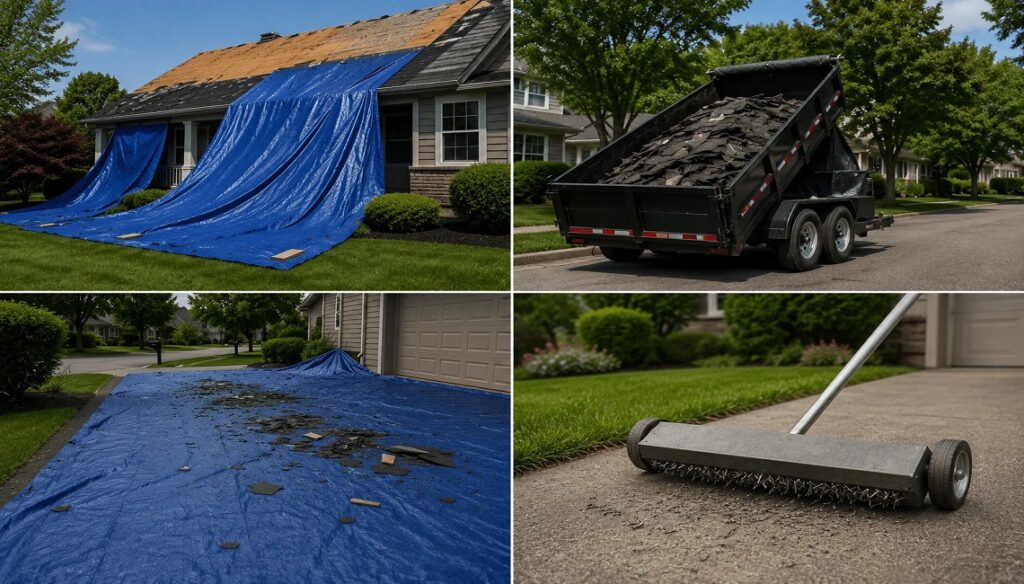
The timing of installation can affect the overall project experience. While roofing professionals can complete projects in different seasons, weather conditions may affect scheduling and installation. Many Canadian homeowners schedule roofing work during warmer months because moderate temperatures create favourable working conditions. However, the best timing depends on regional weather patterns, contractor availability, and the urgency of the roofing issue.
Ask About Warranties and Long-Term Maintenance
A new roof is a significant investment, so understanding warranty coverage is important. Homeowners should ask about both manufacturer warranties and workmanship guarantees. Regular maintenance after installation can also extend a roofing system’s lifespan.
Recommended maintenance may include:
- Cleaning gutters and downspouts
- Checking flashing and seals
- Removing excessive debris
- Inspecting the roof after major storms
- Addressing minor issues before they become larger problems
Frequently Asked Questions
How do I know when my roof needs replacement instead of repairs?
A roof may require replacement when damage is widespread, the roofing materials have reached the end of their expected lifespan, or recurring repairs are becoming costly. A professional inspection can determine whether replacement is the most practical solution.
How long does a typical roof replacement project take?
The timeline depends on factors such as roof size, material selection, weather conditions, and the amount of preparation required. Many residential projects can be completed in a few days, but more complex roofs may take longer.
What roofing materials work best for Canadian homes?
The best material depends on the local climate, home design, budget, and maintenance preferences. Asphalt shingles are widely used, while metal and other roofing systems may offer added durability in specific conditions.
Should I replace my roof before selling my home?
A new roof may improve a property’s presentation and give potential buyers greater confidence in the condition of the roofing system. However, homeowners should consider their goals, market conditions, and the investment’s overall value before deciding.
How can I choose the right roofing contractor?
Look for a contractor with relevant experience, proper credentials, clear estimates, strong references, and transparent communication. Choosing a qualified professional helps ensure the project is completed safely and effectively.
Conclusion
Planning a roofing project requires careful consideration of materials, climate conditions, budget, installation quality, and long-term maintenance. A well-planned approach helps homeowners protect their properties from Canada’s challenging weather while improving comfort and durability. Choosing reliable roof replacement services ensures homeowners have the support needed to make informed decisions throughout the project.
Ready to discuss your roof replacement project with a local professional? Visit the Google Maps listing to find the roofing team’s location and connect with specialists serving homeowners in the area.


About The Author