
Rack Manifolds: A Practical Solution for Modern Cooling Challenges
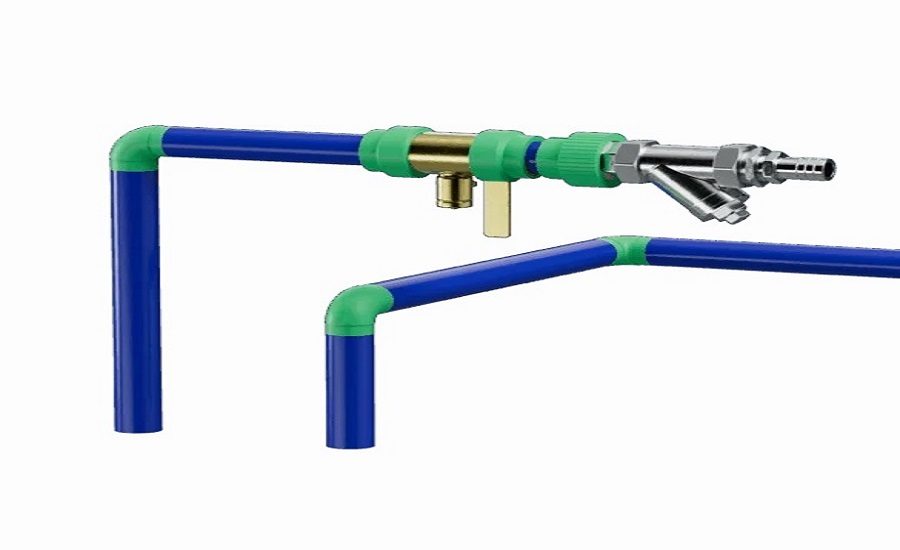
As computing environments become more powerful, heat generation has increased dramatically. Traditional air-based cooling methods often struggle to keep up with dense server configurations. This is where advanced liquid-based solutions and precision-engineered distribution systems come into play. Among these innovations, the rack manifold stands out as a key component in modern thermal infrastructure. A rack manifold system is designed to distribute coolant efficiently across multiple servers or computing units within a rack. It helps maintain consistent temperatures, reduces thermal hotspots, and supports higher computing densities without compromising performance or reliability.
Table of Contents
- Understanding Rack Manifold Systems
- How Liquid Cooling Enhances Rack Manifold Efficiency
- Engineering Design of Rack Manifolds
- Benefits of Using Rack Manifolds in Data Infrastructure
- Challenges Addressed by Rack Manifolds
- Integration with Modern Computing Infrastructure
- Sustainability and Energy Efficiency
- Rack Manifolds in Modern Cooling
- Overview of Key Concepts
- FAQs
- What makes rack manifolds essential in modern cooling systems?
- How does a server rack manifold improve performance stability?
- Why is liquid cooling preferred in rack manifold systems?
- Can rack manifold systems be scaled for growing infrastructure?
- What maintenance considerations are important for rack manifolds?
- Conclusion
Understanding Rack Manifold Systems
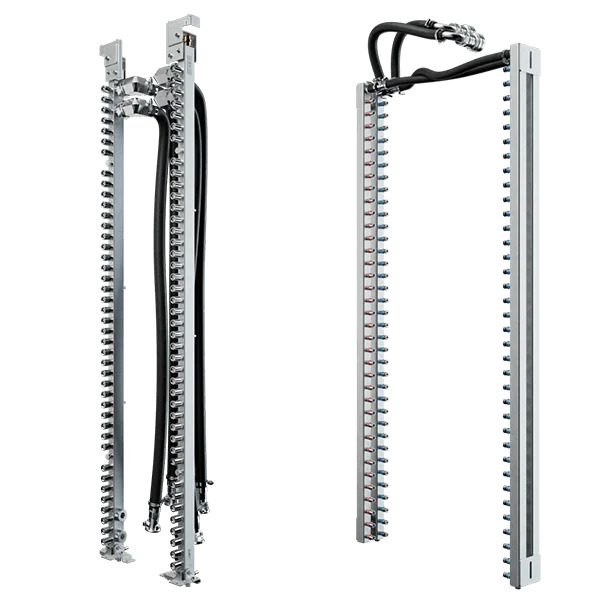
A rack manifold system functions as a centralized distribution pathway for coolant. Instead of relying on isolated cooling loops for individual servers, it connects multiple units to a shared infrastructure. The system is engineered for precision, minimizing pressure loss while maximizing heat transfer efficiency.
Key Functional Roles
- Distributes coolant evenly across server racks
- Maintains stable thermal conditions under high load
- Reduces dependency on large-scale air cooling systems
- Supports modular scalability for data environments
This improves efficiency and simplifies maintenance. In a typical setup, a server rack manifold routes coolant to and from compute nodes, ensuring balanced thermal regulation. This approach is particularly effective in high-performance computing environments in Calgary, where heat density is a critical challenge.
How Liquid Cooling Enhances Rack Manifold Efficiency
Liquid cooling has become a preferred solution for next-generation infrastructure due to its superior thermal conductivity compared to air. A liquid cooling rack manifold integrates directly into this ecosystem, acting as the backbone of coolant distribution.
Why Liquid Cooling Works Better?
Liquid absorbs and transfers heat more efficiently than air, allowing systems to maintain optimal performance even under heavy computational loads. When combined with rack manifold systems, this efficiency is further amplified through precise flow control.
Operational Advantages
- Improved heat dissipation at the component level
- Reduced energy consumption for cooling operations
- Lower acoustic footprint compared to air-based systems
- Enhanced system stability during peak workloads
By integrating liquid cooling with rack manifold architecture, organizations can achieve both performance and sustainability goals.
Engineering Design of Rack Manifolds
The design of rack manifolds is centered around precision and durability. Materials used in construction are typically corrosion-resistant and optimized for thermal stability. Flow channels are engineered to minimize turbulence, ensuring consistent coolant delivery.
Structural Considerations
A well-designed rack manifold system includes:
- High-grade materials for long-term reliability
- Leak-resistant connectors and seals
- Modular configurations for easy scalability
- Integrated sensors for flow and temperature monitoring
These features help maintain operational integrity in demanding environments.
Benefits of Using Rack Manifolds in Data Infrastructure
Modern data environments demand scalable and efficient cooling strategies. Rack manifolds offer several key benefits that make them an essential part of advanced infrastructure design.
- Improved Cooling Efficiency: By delivering coolant directly to heat sources, rack manifolds eliminate inefficiencies associated with indirect cooling methods.
- Space Optimization: They reduce the need for bulky air-cooling equipment, freeing up valuable space within server environments.
- Scalability: A rack manifold system can be expanded or reconfigured as computing needs grow, making it ideal for evolving infrastructures.
- Reduced Operational Costs: Efficient thermal management lowers energy consumption, reducing long-term operational expenses.
Challenges Addressed by Rack Manifolds
High-density computing environments often face challenges such as uneven heat distribution, energy inefficiency, and system instability. Rack manifolds address these issues by providing a structured and controlled cooling pathway.
Thermal Hotspot Control
One of the most critical issues in dense computing systems is the formation of thermal hotspots. These localized areas of excessive heat can degrade performance, throttle processing speeds, and shorten hardware lifespan. Rack manifolds ensure that coolant is evenly distributed across all connected components, eliminating temperature imbalances and maintaining consistent thermal conditions throughout the rack. This uniform cooling approach helps protect sensitive electronics and supports sustained peak performance even under heavy workloads.
System Reliability
Stable operating temperatures are essential for ensuring long-term hardware reliability. Fluctuating or poorly managed cooling can lead to component stress, unexpected shutdowns, or even permanent damage. Rack manifold helps maintain stable thermal conditions by delivering precise, controlled coolant flow to each node. This consistency reduces thermal cycling stress and significantly lowers the risk of hardware failure, ultimately improving system uptime and operational dependability.
Maintenance Efficiency
In addition to performance benefits, rack manifolds also improve operational efficiency. Their centralized cooling distribution architecture simplifies system design, making it easier to monitor, manage, and maintain cooling circuits. During maintenance or upgrades, technicians can isolate sections without disrupting the entire cooling system, reducing downtime and improving serviceability. This streamlined approach not only saves time but also enhances overall data center productivity and operational continuity.
Integration with Modern Computing Infrastructure
Rack manifolds are designed to integrate seamlessly with existing infrastructure, especially in environments where liquid cooling is already in use. Their modular nature allows for easy adaptation without major redesigns. In advanced setups, a reliable serve rack manifold system can be combined with monitoring technologies to provide real-time insights into thermal performance, enabling proactive optimization.
Sustainability and Energy Efficiency
Energy efficiency is a major concern in modern infrastructure design. Liquid-based cooling systems, supported by rack manifolds, help reduce overall power consumption by minimizing reliance on air conditioning.
Environmental Advantages
- Lower energy usage for cooling operations
- Reduced carbon footprint in data operations
- Improved heat reuse potential in advanced setups
These benefits contribute to more sustainable computing environments.
Rack Manifolds in Modern Cooling
Overview of Key Concepts
- Efficient Distribution Design: Rack manifolds ensure balanced coolant flow across high-density systems.
- Liquid-Based Thermal Control: Liquid-cooling rack manifold solutions enhance heat-transfer efficiency.
- Scalable Infrastructure Support: Rack manifold systems adapt to growing computational demands.
- Operational Reliability Benefits: Stable cooling improves hardware performance and longevity.
FAQs
What makes rack manifolds essential in modern cooling systems?
Rack manifolds are essential because they provide a structured method for distributing coolant directly to heat-generating components. This improves efficiency, reduces energy consumption, and ensures consistent thermal control in high-density environments.
How does a server rack manifold improve performance stability?
A server rack manifold ensures that each connected unit receives balanced cooling. This prevents overheating and thermal imbalance, which can negatively affect system performance and hardware lifespan.
Why is liquid cooling preferred in rack manifold systems?
Liquid cooling is preferred because it has a higher heat-absorption capacity than air. When paired with rack manifolds, it enables precise, efficient heat removal from densely packed computing systems.
Can rack manifold systems be scaled for growing infrastructure?
Yes, rack manifold systems are designed with scalability in mind. They can be expanded or reconfigured to accommodate additional servers or increased thermal loads without requiring a complete redesign.
What maintenance considerations are important for rack manifolds?
Regular inspection of seals, flow consistency, and coolant quality is important. Monitoring systems integrated into modern rack manifolds help detect issues early, reducing downtime and improving operational reliability.
Conclusion
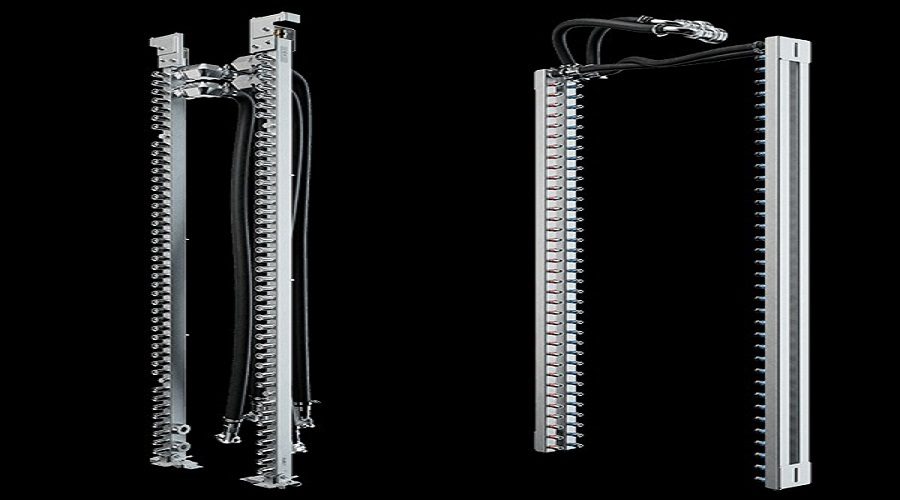
Rack manifolds have become a foundational element in advanced thermal management strategies, offering efficiency, scalability, and reliability for modern computing environments. Their integration with liquid cooling technologies ensures optimized performance even under extreme workloads. For organizations seeking expert-driven thermal solutions, exploring system design insights and checking the location of the expert solution at CoolIT Systems can provide valuable guidance for implementing high-performance cooling infrastructure.


About The Author