

Anti-Inflammatory Power of BCP A Natural Remedy for Chronic Inflammation
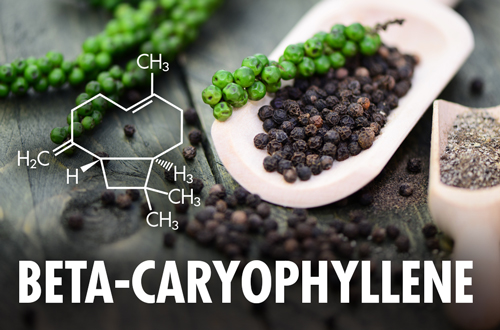
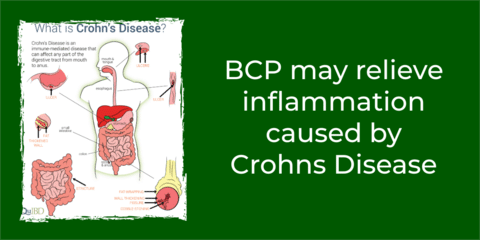
Chronic inflammation is a persistent condition that affects millions of people worldwide, leading to a host of health problems ranging from autoimmune diseases to cardiovascular issues. With more than 125 million Americans suffering from chronic inflammatory diseases like psoriasis, rheumatoid arthritis, and Crohn’s disease, finding effective and safe treatments is crucial. BCP offers a natural approach to reducing chronic inflammation.
One promising natural remedy is β-caryophyllene (BCP), a terpene found in various plants, including cannabis, that offers significant anti-inflammatory benefits.
Understanding β-Caryophyllene and Its Role in Inflammation
What is BCP?
Beta-caryophyllene (BCP) is a naturally occurring terpene found in essential oils of plants like black pepper, cloves, and cannabis. Its unique chemical structure allows it to interact directly with the endocannabinoid system, specifically the CB2 receptors. Which play a crucial role in managing inflammation and immune responses.
Unlike other cannabinoids that bind to CB1 receptors and produce psychoactive effects, BCP binds selectively to CB2 receptors, providing health benefits without the “high”.
Chronic Inflammation: The Silent Threat
Chronic inflammation is a long-term response by the body’s immune system to various stressors, including infections, poor diet, stress, and environmental toxins. While acute inflammation is a normal protective response, chronic inflammation can lead to tissue damage, cellular dysfunction, and genetic mutations over time.
The body’s immune cells, such as macrophages and lymphocytes, release inflammatory mediators like cytokines and prostaglandins to protect and heal damaged tissues. However, when these mediators are not regulated properly, they can become harmful, causing persistent inflammation that is often difficult to diagnose and treat.
How β-Caryophyllene Helps Combat Inflammation
BCP’s interaction with the endocannabinoid system is key to its anti-inflammatory effects. By binding to CB2 receptors found predominantly in immune cells, BCP helps regulate the release of pro-inflammatory chemicals and reduce oxidative stress, a major contributor to chronic inflammation.
A study titled “Beta-Caryophyllene is a Dietary Cannabinoid” found that BCP significantly reduced inflammation-induced pain and swelling in animal models. The study highlighted BCP’s ability to engage with CB2 receptors, triggering biochemical reactions that alleviate inflammation without the psychoactive effects associated with CB1 receptor activation.
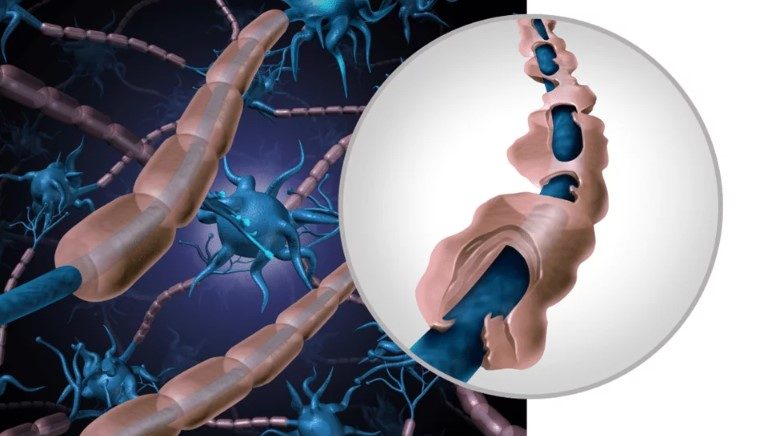
BCP vs. Other Anti-Inflammatory Agents
Traditional pharmaceutical anti-inflammatory drugs like NSAIDs (Non-Steroidal Anti-Inflammatory Drugs) are commonly used to treat chronic inflammation, but they often come with a range of side effects, including gastrointestinal issues and cardiovascular risks. In contrast, BCP offers a safer alternative with minimal to no reported adverse effects, making it ideal for the long-term management of chronic inflammation.
A 2022 study examining the effects of BCP on rats with renal failure found that BCP improved kidney function markers, reduced cell death, and increased antioxidant levels, compared to rats treated with the antibiotic amikacin, which showed signs of kidney damage and oxidative stress.
BCP also outperforms other natural anti-inflammatory compounds like curcumin and omega-3 fatty acids due to its direct interaction with CB2 receptors. This targeted action results in faster and more effective treatment with fewer side effects. Moreover, BCP can be used in combination with other anti-inflammatory agents, enhancing their effectiveness and offering exciting possibilities for comprehensive β-caryophyllene inflammation management.
How to Use Beta-Caryophyllene for Inflammation
BCP is available in various forms, including oils, creams, and tinctures, making it versatile and easy to incorporate into your daily routine. Topical applications like oils and creams are particularly effective for targeting localized pain and inflammation, while tinctures taken sublingually (under the tongue) offer rapid absorption and systemic relief.
When using BCP for inflammation, it’s essential to start with a low dose and gradually increase it based on your body’s response. Applying BCP topically 2–3 times a day or taking a tincture as directed can provide significant relief from chronic inflammation. However, it’s always best to consult with a healthcare provider before starting any new supplement, especially if you have existing health conditions or are taking other medications.
The Future of BCP in Inflammation Treatment
Research on β-caryophyllene and its anti-inflammatory effects is still ongoing, but the current findings are promising. As more studies are conducted, we can expect to see a broader understanding of BCP’s molecular mechanisms and potential applications across various health conditions.
Given its safety profile and effectiveness, BCP is poised to become a leading natural remedy for chronic inflammation. Whether used alone or in combination with other treatments, BCP offers a powerful, natural solution to managing inflammation and improving overall health.
Final Thoughts
Beta-caryophyllene (BCP) is a promising natural remedy for managing chronic inflammation. Its unique ability to interact with the endocannabinoid system, specifically CB2 receptors, makes it an effective and safe alternative to traditional anti-inflammatory drugs. As research continues to explore its potential, BCP is likely to become an essential component in the treatment of chronic inflammatory conditions, offering relief without the side effects associated with other therapies.
FAQs
What terpenes are good for inflammation?
Terpenes like β-caryophyllene, myrcene, and limonene are known for their anti-inflammatory properties. Among them, β-caryophyllene is particularly effective because it binds to CB2 receptors and directly influences the body’s inflammatory response.
How does β-caryophyllene help with inflammation?
β-caryophyllene binds to CB2 receptors in the endocannabinoid system, regulating the release of pro-inflammatory chemicals and reducing oxidative stress, which are key factors in chronic inflammation.
Are there specific beta-caryophyllene strains in cannabis?
Yes, certain cannabis strains are rich in beta-caryophyllene, including strains like OG Kush, Sour Diesel, and Super Silver Haze. These strains are often sought after for their anti-inflammatory and pain-relieving properties.
What are the benefits of using BCP for inflammation?
BCP offers several benefits for inflammation, including reduced pain and swelling, improved immune function, and minimal side effects. It is also a safer alternative to traditional NSAIDs and can be used long-term without the associated risks.
How pure should beta-caryophyllene be for effective use?
For optimal results, it’s recommended to use high-purity beta-caryophyllene products, ideally with a purity level of 98% or higher. This ensures you get a potent and effective dose for managing inflammation.


About The Author